EPA Victoria Construction Waste Rules 2026: What You Must Know

EPA Victoria Construction Waste Rules 2026: What You Must Know
Table of Contents
- Introduction: Why EPA Waste Compliance Matters More Than Ever
- Understanding EPA Victoria’s Role in Construction Waste
- What Counts as Regulated Waste
- Safe Waste Storage and Stockpiling on Site
- Waste Transport Responsibilities
- EPA Inspections: What They Look For
- Penalties for Non-Compliance
- How Proper Skip Bin Use Supports Compliance
- The Role of Waste Transfer Stations
- Common EPA Waste Mistakes and How to Avoid Them
- How Need A Skip Now Supports Compliance
- Final Thoughts: Compliance Doesn’t Have to Be Hard
Introduction: Why EPA Waste Compliance Matters More Than Ever
Builders, site managers, and tradies in Melbourne are facing stricter EPA scrutiny in 2026. The Environment Protection Authority Victoria enforces the Environment Protection Act 2017 with a strong focus on construction and demolition waste.
Non-compliance can lead to:
- Significant fines
- Project delays and mandatory cleanups
- Legal liability for waste left at non-compliant facilities
- Reputational damage
With proper planning and licensed waste services, compliance is straightforward. This guide shows what you need to know when hiring skip bins or using a licensed waste transfer station.
Understanding EPA Victoria’s Role in Construction Waste
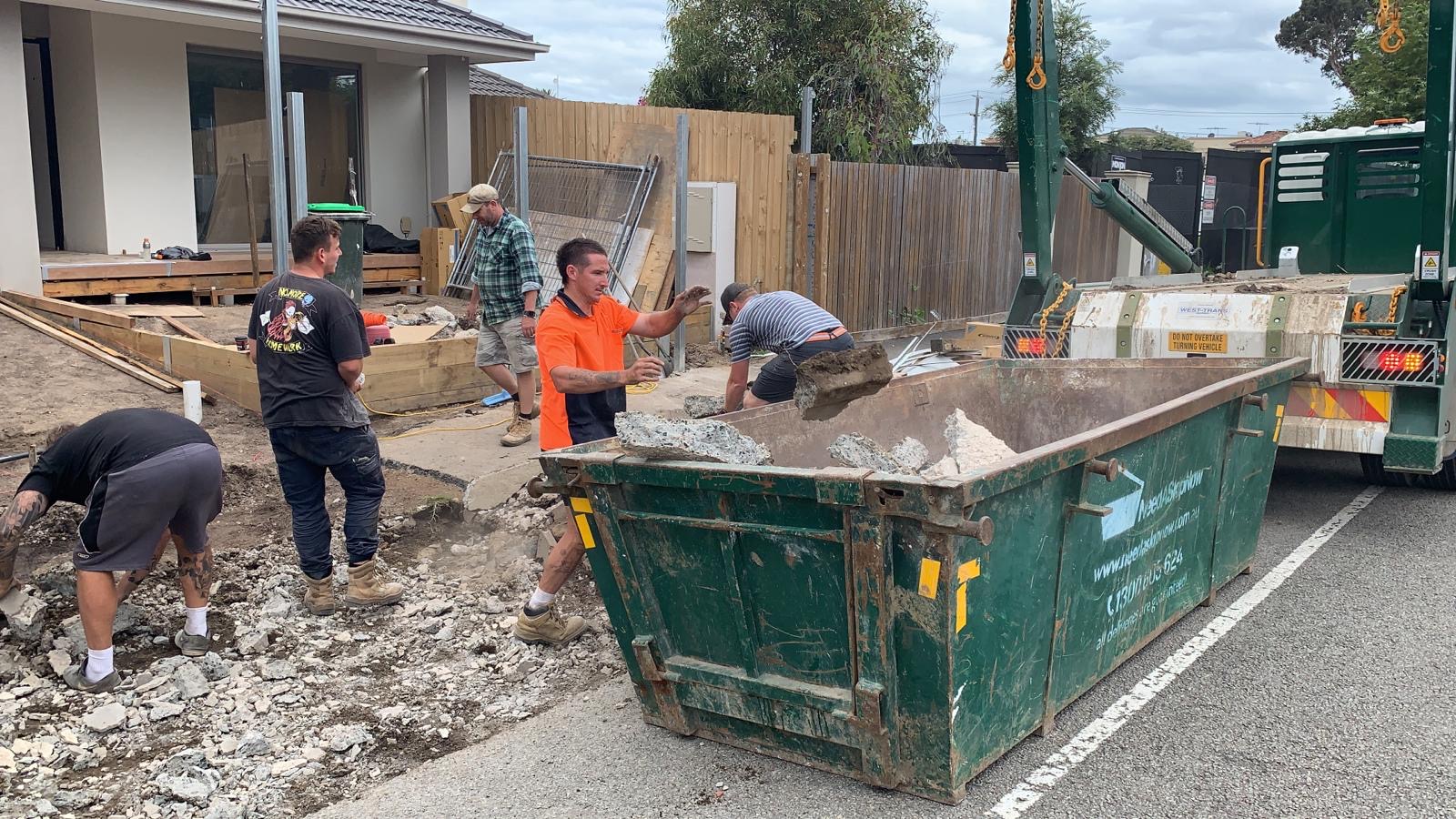
EPA Victoria ensures construction and renovation waste is handled responsibly. Under the General Environmental Duty, anyone managing a construction site must take reasonable steps to reduce environmental harm.
Responsibilities include:
- Identifying waste streams generated on-site
- Ensuring lawful transport and disposal
- Correctly classifying and documenting all regulated materials
Waste management responsibility does not end once the waste leaves the site. Site managers remain accountable for proper disposal.
What Counts as Regulated Waste
Correct classification is critical. Regulated waste includes:
- Asbestos affected materials
- Contaminated soil or priority waste soil
- Treated timber
- Chemicals and certain demolition materials
Some materials may be classified as reportable priority waste, requiring strict handling, transport, and documentation. Misclassification can result in rejected loads, fines, or enforcement action.
Safe Waste Storage and Stockpiling on Site
Improper on-site storage is a common compliance issue. The EPA expects:
- Waste to be contained to prevent soil and groundwater contamination
- Protection from rain runoff
- Prevention of waste escaping the site via wind or vehicles
Best Practices:
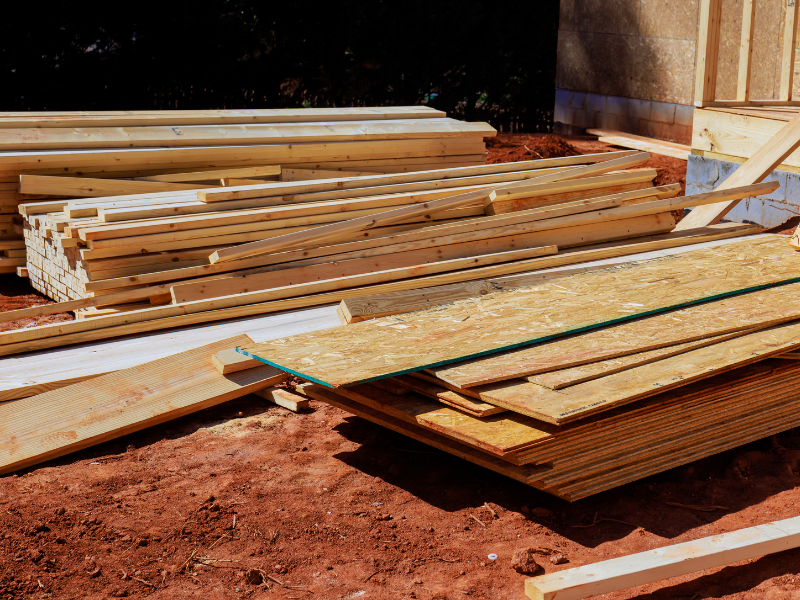
- Store waste in covered or contained areas
- Schedule regular skip bin collections
- Avoid mixed or uncovered stockpiles
- Ensure correct skip bin placement for safety and compliance
Waste Transport Responsibilities
Responsibility continues once waste leaves the site. Key points:
- Use licensed operators for regulated or reportable waste
- Maintain accurate disposal documentation
- Ensure priority waste reaches authorised facilities
In June 2024, ABC News reported EPA Victoria cracking down on skip bin operators illegally dumping construction waste. Original waste generators remained at risk, showing why using licensed providers is essential. Read more
EPA Inspections: What They Look For
EPA inspections are risk-based and triggered by complaints, visible pollution, or repeated non-compliance. Inspectors assess:
- Waste containment within site boundaries
- Correct separation of waste streams
- Documentation for regulated materials
- Management of soil or stockpiles
Clean, organised, documented sites are far less likely to face enforcement. For more information, visit EPA Victoria Site Planning and Management.

Penalties for Non-Compliance
EPA penalties range from on-the-spot fines to formal notices or prosecution. Consequences include:
- Project delays and mandatory cleanups
- Increased scrutiny on future projects
- Reputational damage
Recent enforcement, such as the $10,000 fine issued to a Tarneit operator, demonstrates why licensed skip bin providers are essential. Read more
How Proper Skip Bin Use Supports Compliance
Skip bins help control waste and prevent compliance issues. Key tips:
- Choose the correct bin size
- Separate waste streams to reduce contamination
- Avoid prohibited items in general waste bins
- Schedule timely collections to prevent accumulation
The Role of Waste Transfer Stations
Transfer stations act as regulated hubs for sorting and redirecting waste. Benefits include:
- Ensuring lawful disposal
- Maintaining records for regulated waste
- Reducing non-compliance risk
Using a licensed station like Need A Skip Now’s facility adds an extra layer of protection.
Common EPA Waste Mistakes and How to Avoid Them
- Mixing regulated waste with general waste
- Failing to classify or document contaminated soil
- Assuming responsibility ends at pickup
- Allowing waste to stockpile for too long
How to avoid: plan ahead, use the right bins, and partner with a licensed provider.
How Need A Skip Now Supports Compliance
Need A Skip Now provides:
- Licensed skip bin hire
- Access to compliant transfer stations
- Advice on correct bin selection and waste streams
We help site managers reduce risk, stay compliant, and keep projects on track.
Final Thoughts: Compliance Doesn’t Have to Be Hard
EPA compliance is a standard part of construction and renovation projects in Victoria. With planning, knowledge, and the right partners, it becomes manageable rather than stressful.